
Training videos people actually finish
Most training videos are made to be complete, not to be watched. Here is how to plan, script and film training that people stay with to the end.
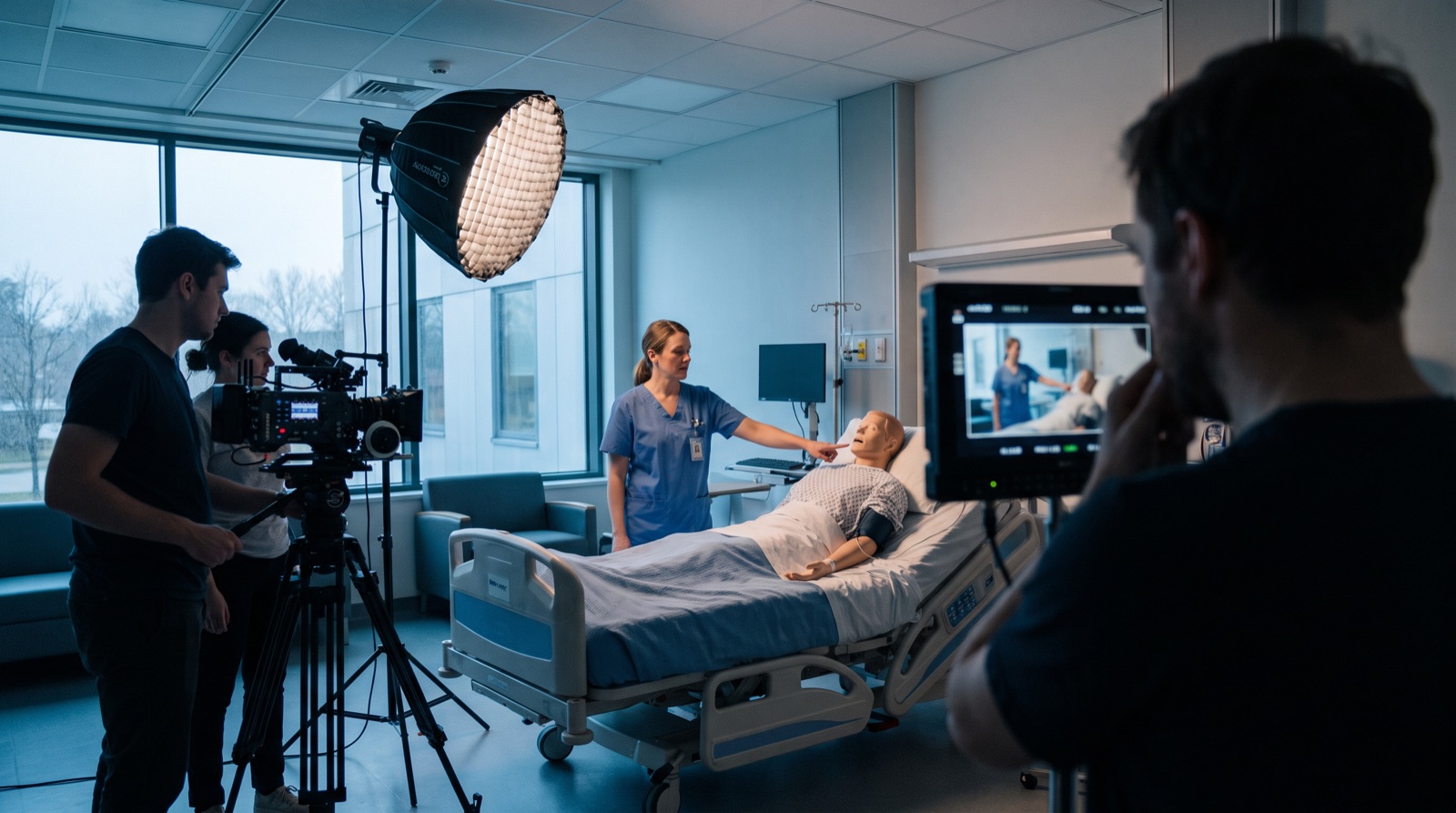
Most training videos are made to be complete, not to be watched. They cover every point in the policy, run long and lose people somewhere after the opening slide. At Lumen, we approach training video production the way we approach any film: the audience has to want to keep watching.
A training film has a harder job than most. The audience did not choose to watch it, and they will be asked to do something differently afterwards. Here is how to make one people finish.
Start with what people must do
Before anything is written, agree on what the viewer should be able to do when the film ends. Handle a sample correctly. Use a new system. Explain a change to a customer or a patient.
Everything that does not serve that action belongs in a document, a checklist or a follow up session. The film carries the behaviour. The detail can live somewhere else.
Break one topic into short films
One long video is easy to commission and hard to finish. A series of short films, each built around one task, is easier to watch, easier to find again and easier to update when a process changes.
Plan the series together so every film shares a look, a voice and a structure. This is how we plan training films: one production, several focused pieces.

Open on the moment that matters
The first seconds decide whether someone pays attention. Open on the situation the viewer will face, the mistake that is easy to make or the question they will be asked. Introductions, logos and agendas can wait, or go entirely.
Show the step nobody can see
Training often breaks down at the step that is hardest to see: a process inside a machine, a mechanism inside the body, a sequence that happens too fast for the eye. This is where animation earns its place. It can slow a process down, cut it open and show it from any angle.
Our 3D and motion design is done in house, the same work behind our research explainers. The rule is the same for both: accurate before it is beautiful.
Let the people who do the job teach it
A colleague who does the work is more convincing than a narrator who does not. Film the people who know the task, keep them to the point and let them show rather than tell.
In regulated settings such as healthcare and life sciences, have the script reviewed before the shoot, so what is said on camera has already been checked.
Make finishing the easy option
Captions, clear chapters and a sensible length do more for completion than any visual effect. People watch training at a desk without sound, on a phone between shifts or in a shared room. Find out where the film will play and deliver the versions that place needs.
Then watch where people stop. A drop at one moment usually points to a confusing section, and that is the part to fix first. If you are planning a training series, start with a short call.

Before you brief a training film
- Write the one thing viewers must be able to do afterwards
- Move reference detail into a document, not the film
- Split the topic into short films, one task each
- Open on the situation the viewer will face
- Mark the steps that need animation to be seen
- Get the script reviewed before the shoot
- Plan captions and every version you will need
More from the journal.
Training videos people actually finish
How to plan, script and film training that holds attention from the first second to the last.
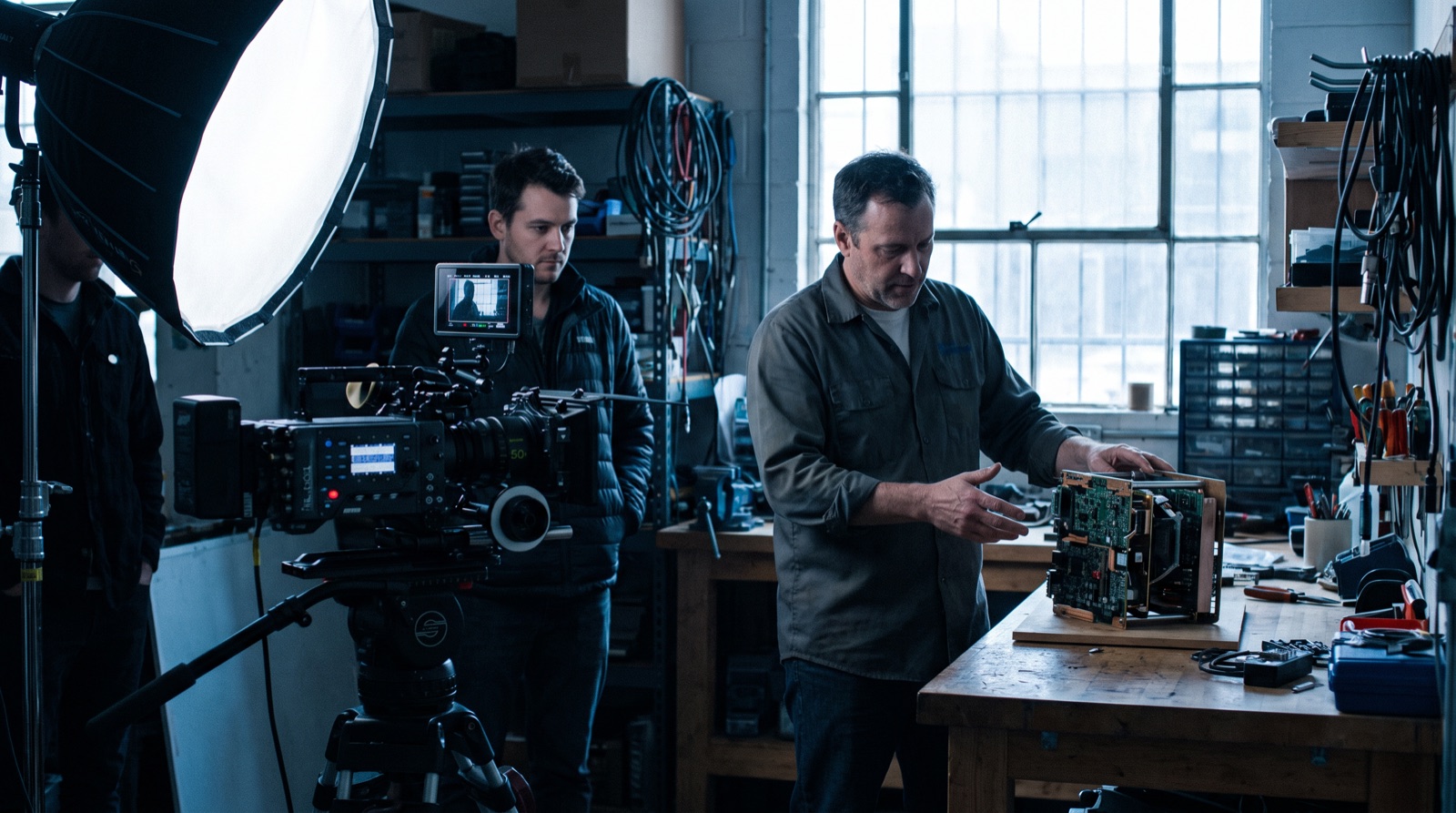
How to explain your technology in two minutes
Investors, partners and boards give you two minutes before they decide whether to keep listening.
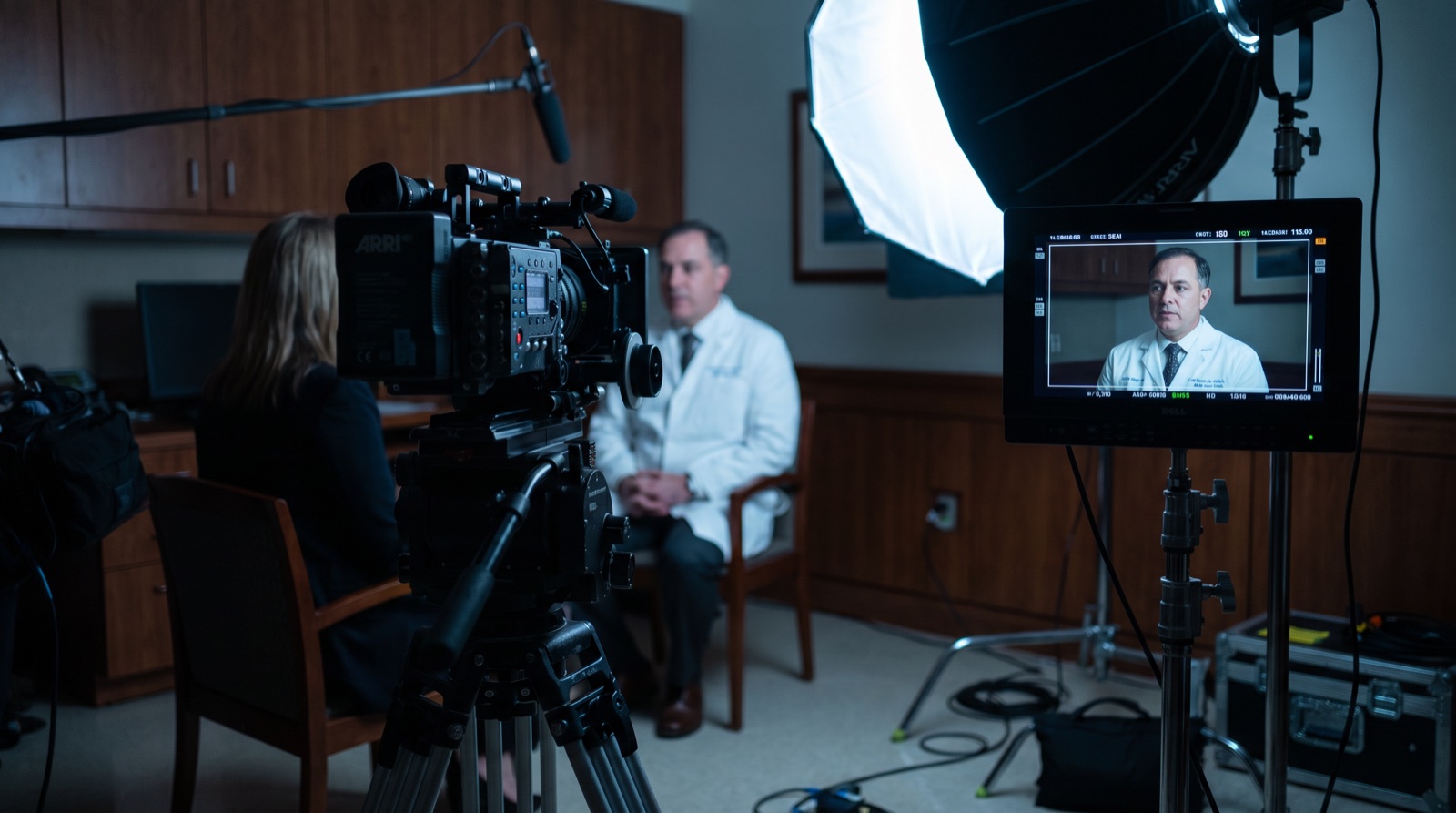
Getting your experts on camera without wasting their time
Your physicians, researchers and executives carry your credibility, and they have no time.
Complexity, made clear.
Tell us the audience, the goal and the deadline. A white paper, a deck or a fifteen minute call is usually enough to scope it.
Book a scoping call hello@lumennarrative.com