
What a brand film costs, and what moves the price
The line items behind a two to five minute brand film, and the decisions that move the budget up or down. A plain guide for marketing and communications teams.
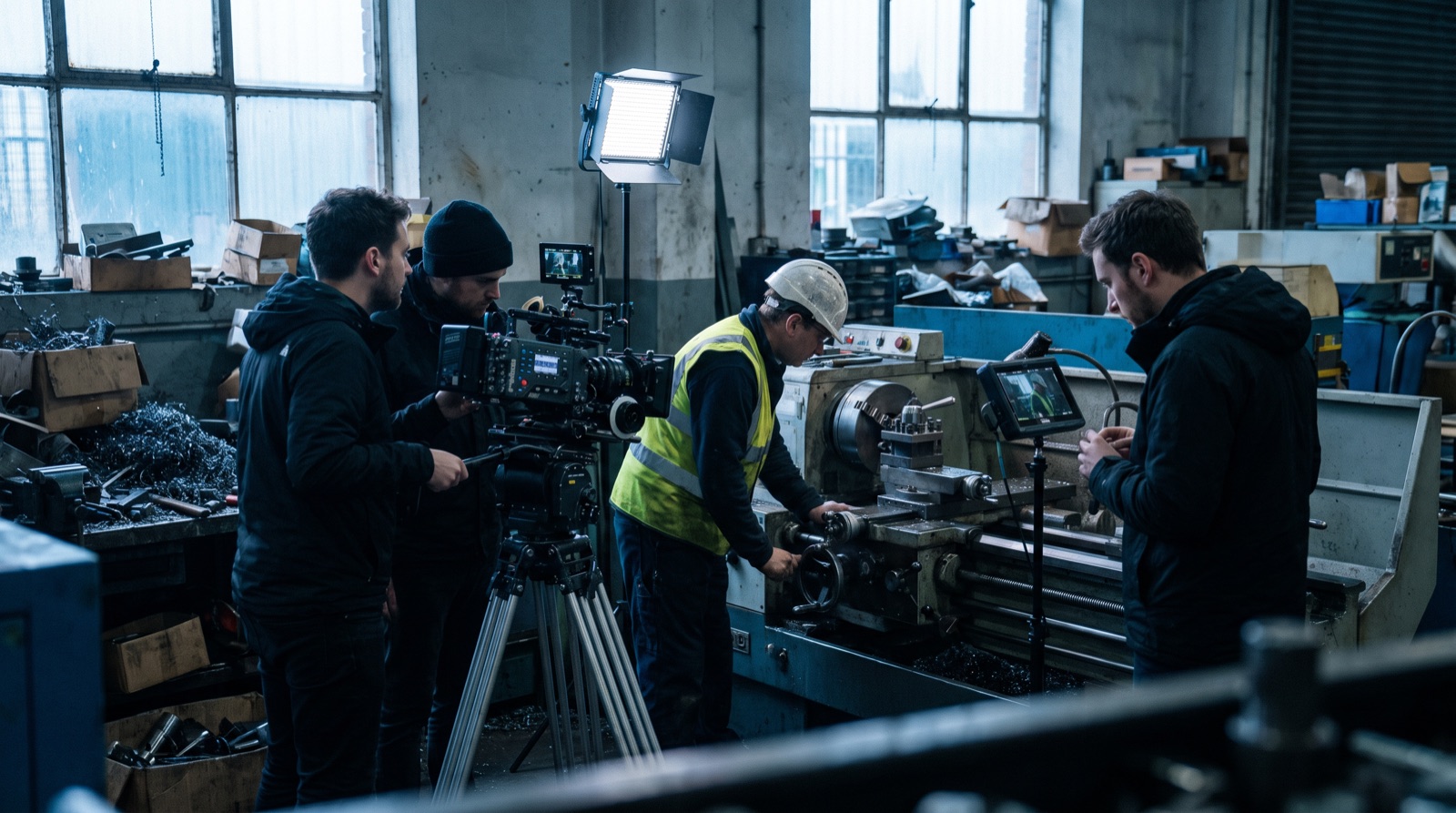
"How much does a brand film cost?" has the same answer as "how much does a building cost". It depends on what you are building. But the budget is not a mystery. It is a short list of line items, and a few decisions move most of them. This is how we break it down at Lumen, a film production studio in Toronto.
This guide walks through those line items, so you can read a quote, compare two of them, and know which levers are yours to pull.
The five parts of every budget
Development. Research, discovery calls, the treatment and the script. For a complex subject this is where the accuracy is won, and it is the part most often underpriced. A script that is right the first time saves money in every stage after it.
Pre production. Planning the shoot or the animation: locations, casting, scheduling, permits, style frames for 3D and motion work, and the shot list.
Production. The shoot days themselves: crew, cameras, lighting, sound, locations or studio, and any specialist equipment. For animated films, this is the build: 3D modelling, look development, animation and motion graphics.
Post production. Editing, colour grade, sound design, music, mix, graphics and the review rounds that come with them.
Delivery. The final master plus every version the rollout needs: cutdowns, aspect ratios, captions, transcripts and archive files.
The decisions that move the price
Live action, animation or both. Shooting people and places and building scenes in 3D cost differently, and a film that combines them carries both. The subject usually decides this. You can film a founder. You cannot film a molecule.
Number of shoot days and locations. Each extra day or location adds crew time, travel and logistics. Many films can be planned so that one well organised day captures everything.
Talent. Real experts on camera, professional actors, a voiceover artist, or none of these. Each has a different cost and a different effect on credibility.
The 3D and motion load. The amount of custom animation is often the single biggest variable in a science or technology film. Twenty seconds of a complex mechanism can take longer to build than a full day of filming.
Review rounds. Every extra round of changes costs time. Agreeing in advance who approves what, and approving the script before production begins, is the cheapest way to protect a budget.
The deliverables list. One master film costs less than a master plus twelve cutdowns in four aspect ratios. Plan the versions up front, so they can be captured and built once rather than rebuilt later.

Where not to save
The script. Cutting development time is the most expensive saving there is. Every problem in a script is paid for again in production and post.
Sound. Audiences forgive an imperfect image much faster than poor audio. Broadcast audio on set and a proper mix in post are what make a film feel expensive.
Where you can save
Reuse. Hero visuals designed once can feed the film, the product page, the ads and the sales deck. Planning that reuse at the start spreads one budget across many assets.
Batching. If you will need several films this year, shooting them together usually costs less than shooting them one at a time.
Clear material. A good white paper and a subject expert who joins the first call shorten development more than any other single thing.

How to compare two quotes
Line them up by the five parts above. Check that both include script development, the same number of review rounds and the same deliverables list. A quote that looks cheaper often leaves out the script or the cutdowns, and those come back later as change orders.
If you would like a scope and a price for your film, send us the audience, the goal and the deadline. A fifteen minute call is usually enough.
More from the journal.
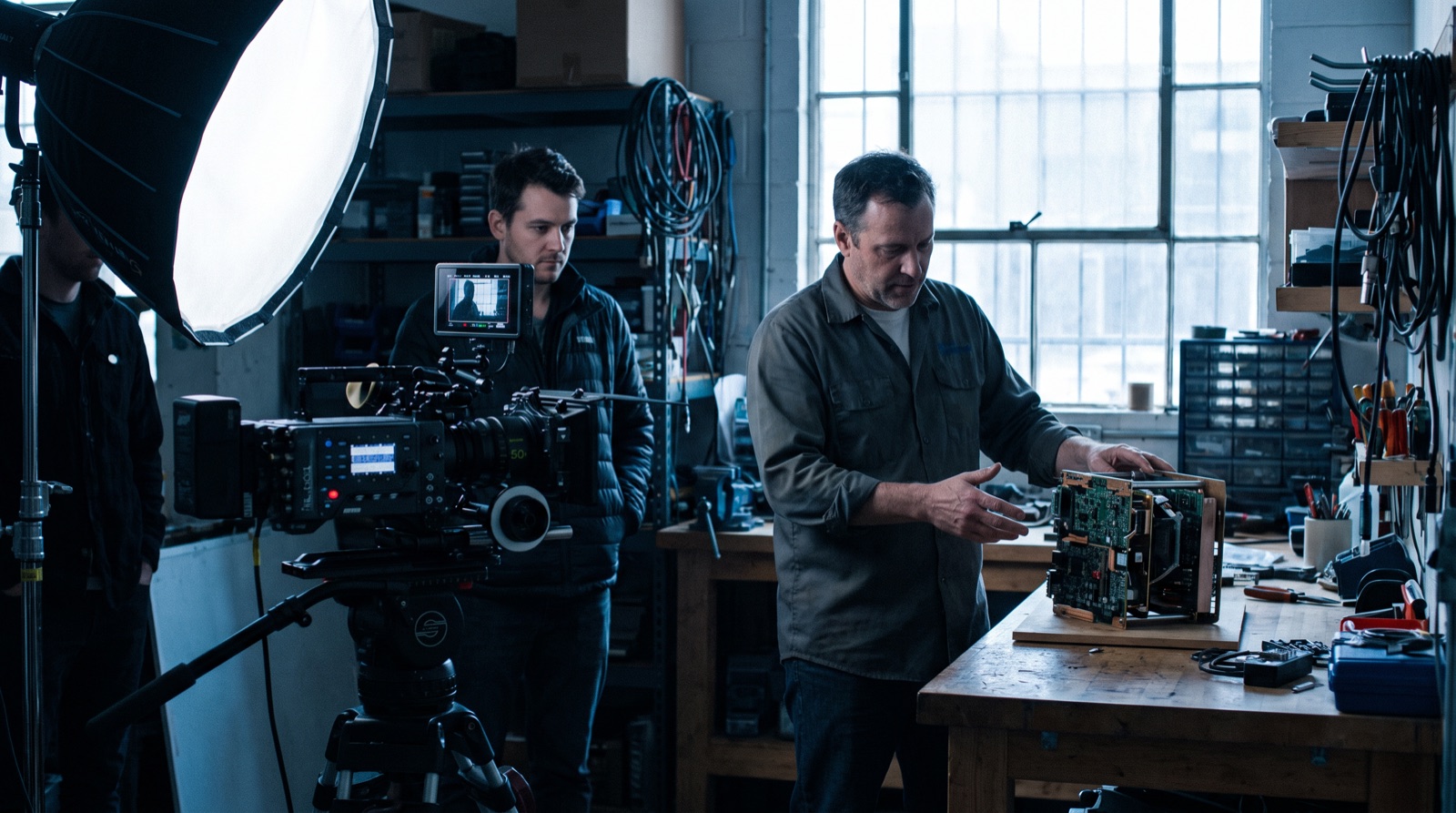
How to explain your technology in two minutes
Investors, partners and boards give you two minutes before they decide whether to keep listening.

Getting your experts on camera without wasting their time
Your physicians, researchers and executives carry your credibility, and they have no time.
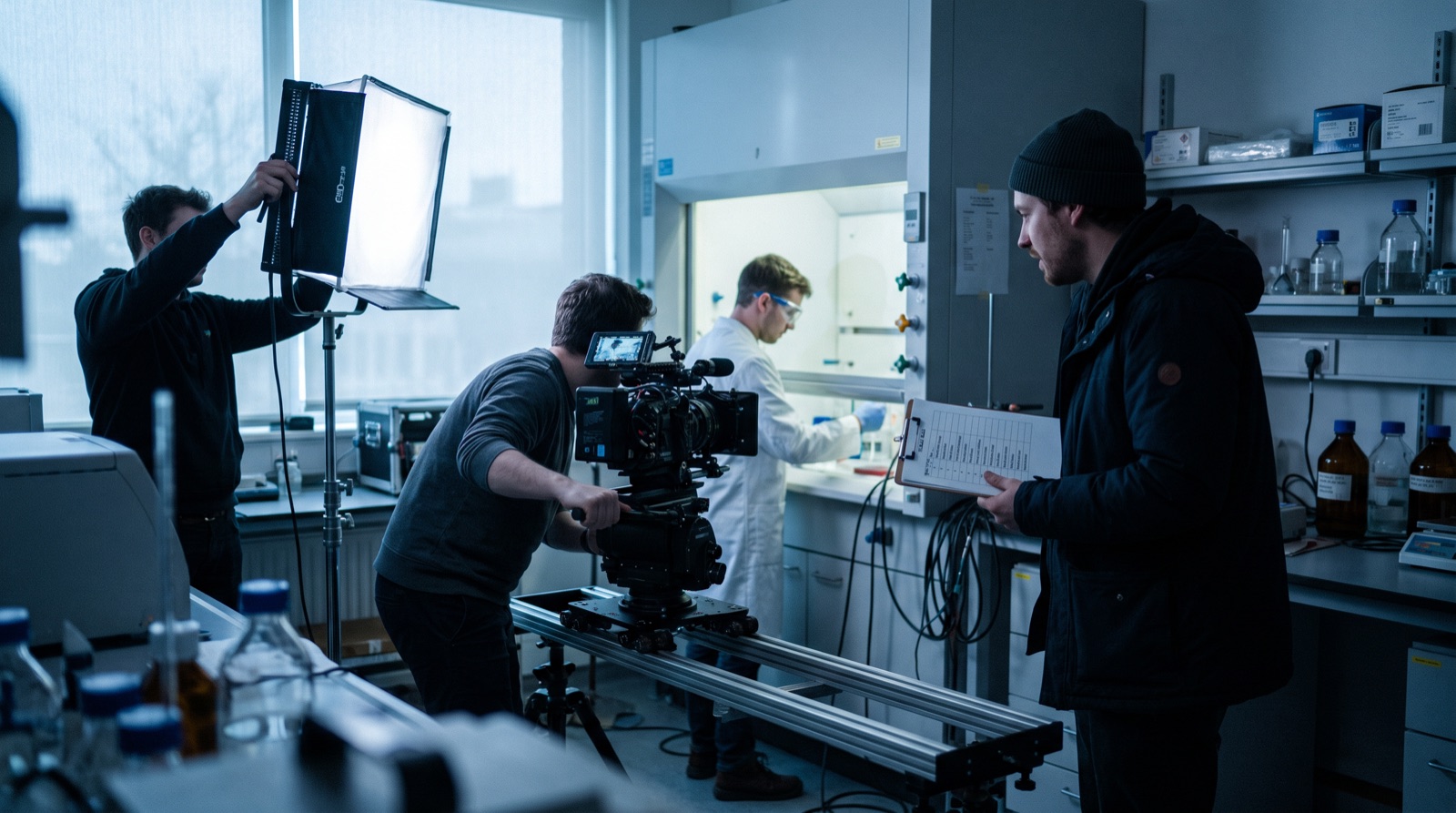
How to brief a film about complex work
What to send, who to bring and what to decide before the first call.
Complexity, made clear.
Tell us the audience, the goal and the deadline. A white paper, a deck or a fifteen minute call is usually enough to scope it.
Book a scoping call hello@lumennarrative.com