
One shoot day, a quarter of content
How an interview series is planned so a single shoot day fills a content calendar with long form episodes and a run of short clips, all in one consistent look.
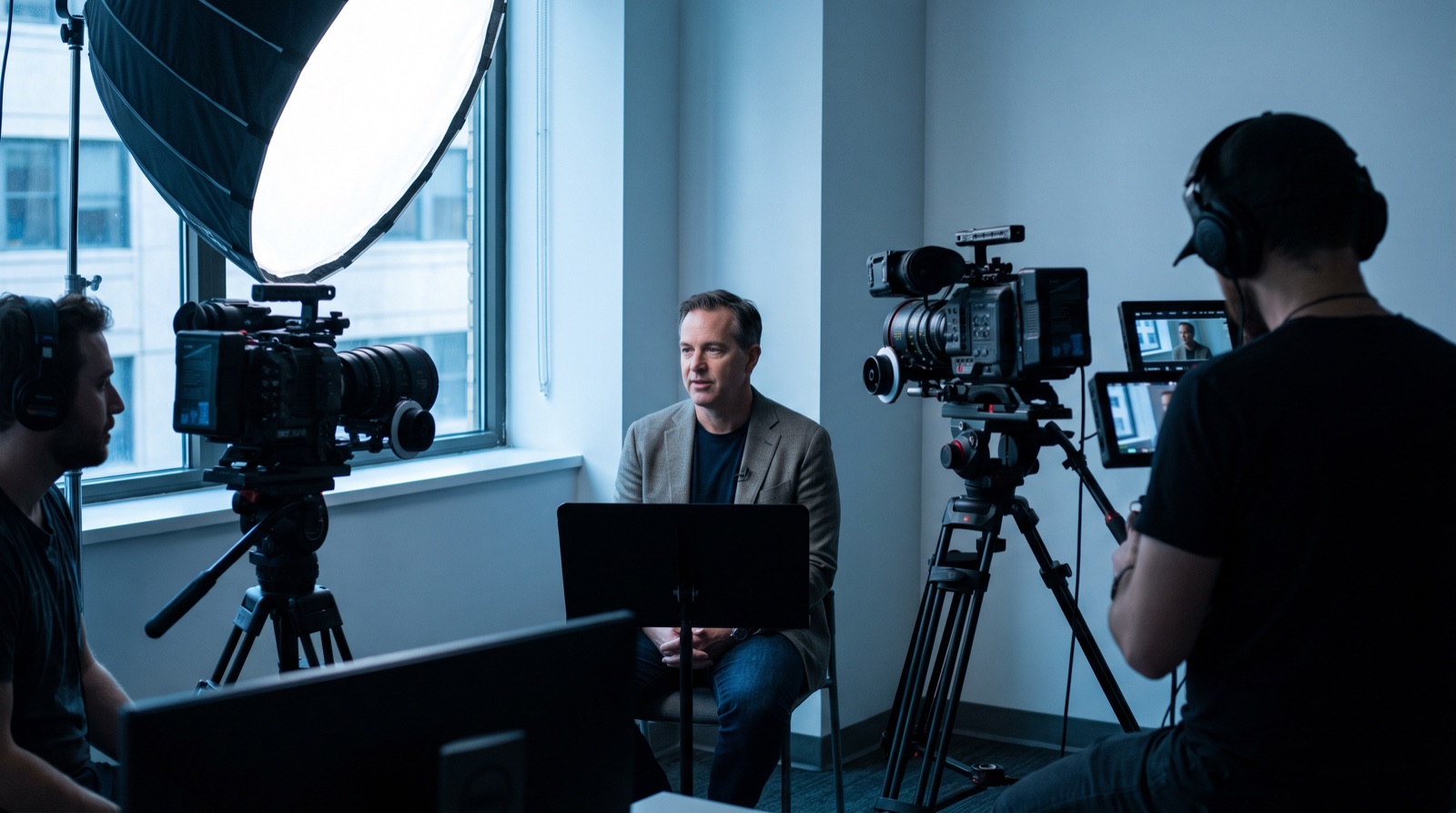
Many teams need a steady stream of video, not a single film: something for social every week, something longer every month, and material for the website and the sales team. Shooting each piece separately is slow and expensive, and the look drifts every time. This guide is how we plan it at Lumen, a film production studio in Toronto.
An interview series solves that. Planned properly, one shoot day can supply a quarter of content.
Plan the calendar before the questions
The series starts with the content calendar, not the camera. What needs to go out, where and how often: long form episodes, short clips, quotes for social, pieces for the website or a newsletter.
Once the calendar is clear, the question set is written against it. Every question is there because a specific piece of content needs it.
Write questions that produce clips
Good interview questions for a series do two jobs. They lead to a full answer that works in a long episode, and they produce short, self contained moments that work on their own as clips.
That means asking for stories and specific examples, asking the same idea in more than one way, and giving the speaker room to give a clean, complete answer.
Capture everyone in one controlled block
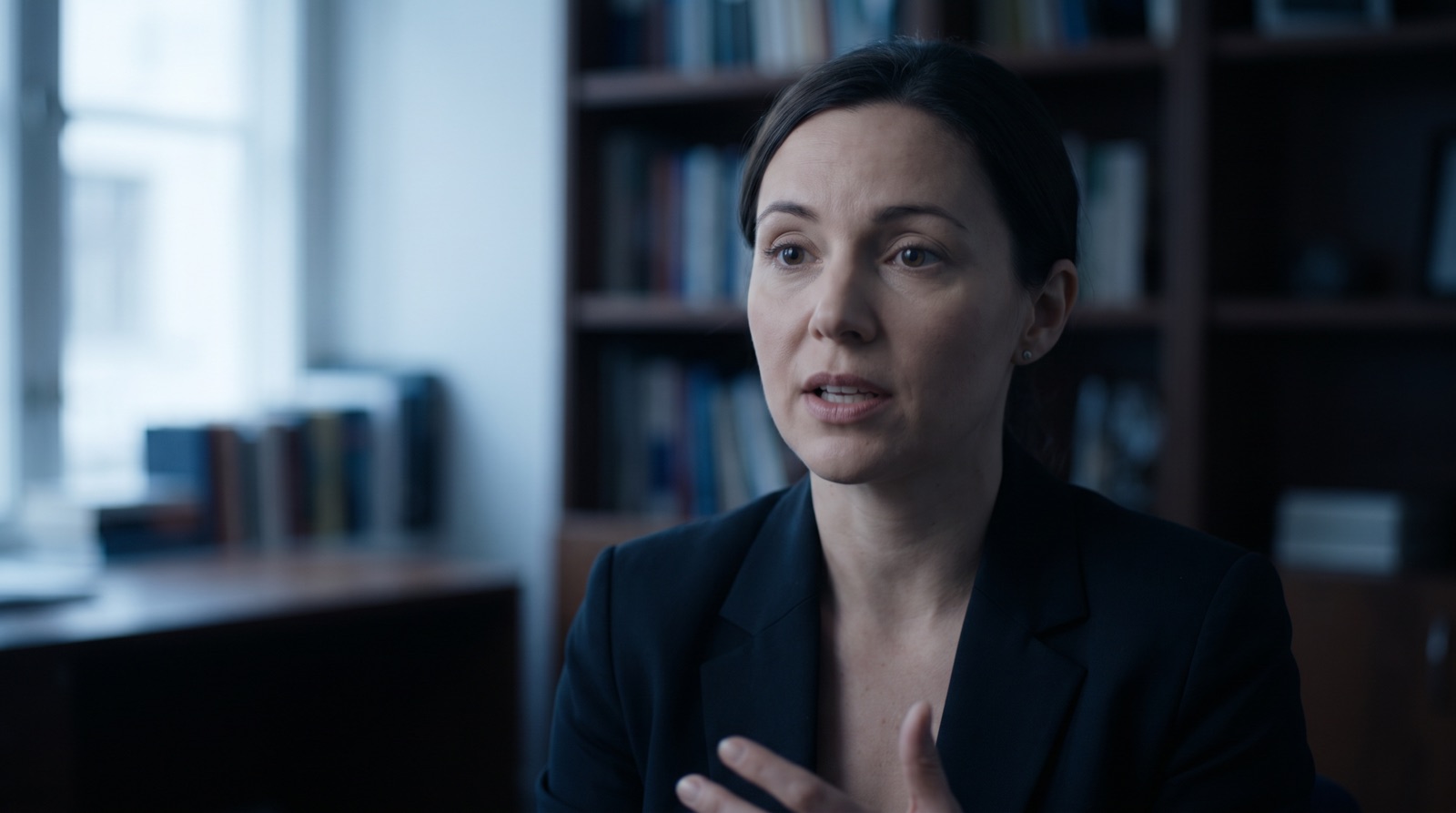
Speakers are usually busy people: physicians, founders, researchers, executives. Everything is set up once, and each speaker comes through in turn.
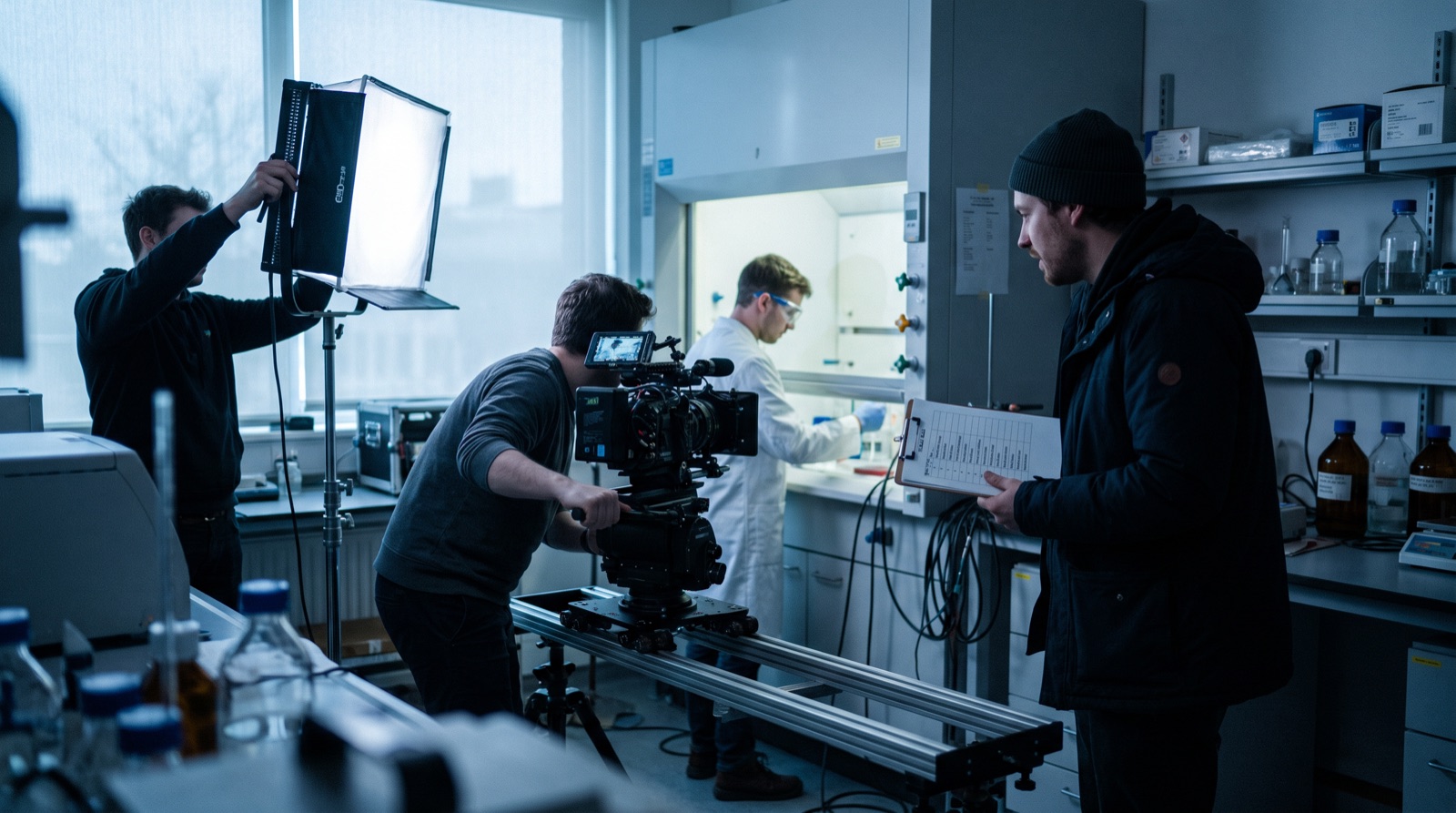
For a physician campaign, this approach meant each doctor gave about an hour, and the organisation received a hero film, individual highlight pieces and a month of social content. All of it matched, because it came from the same setup.
One setup, one look
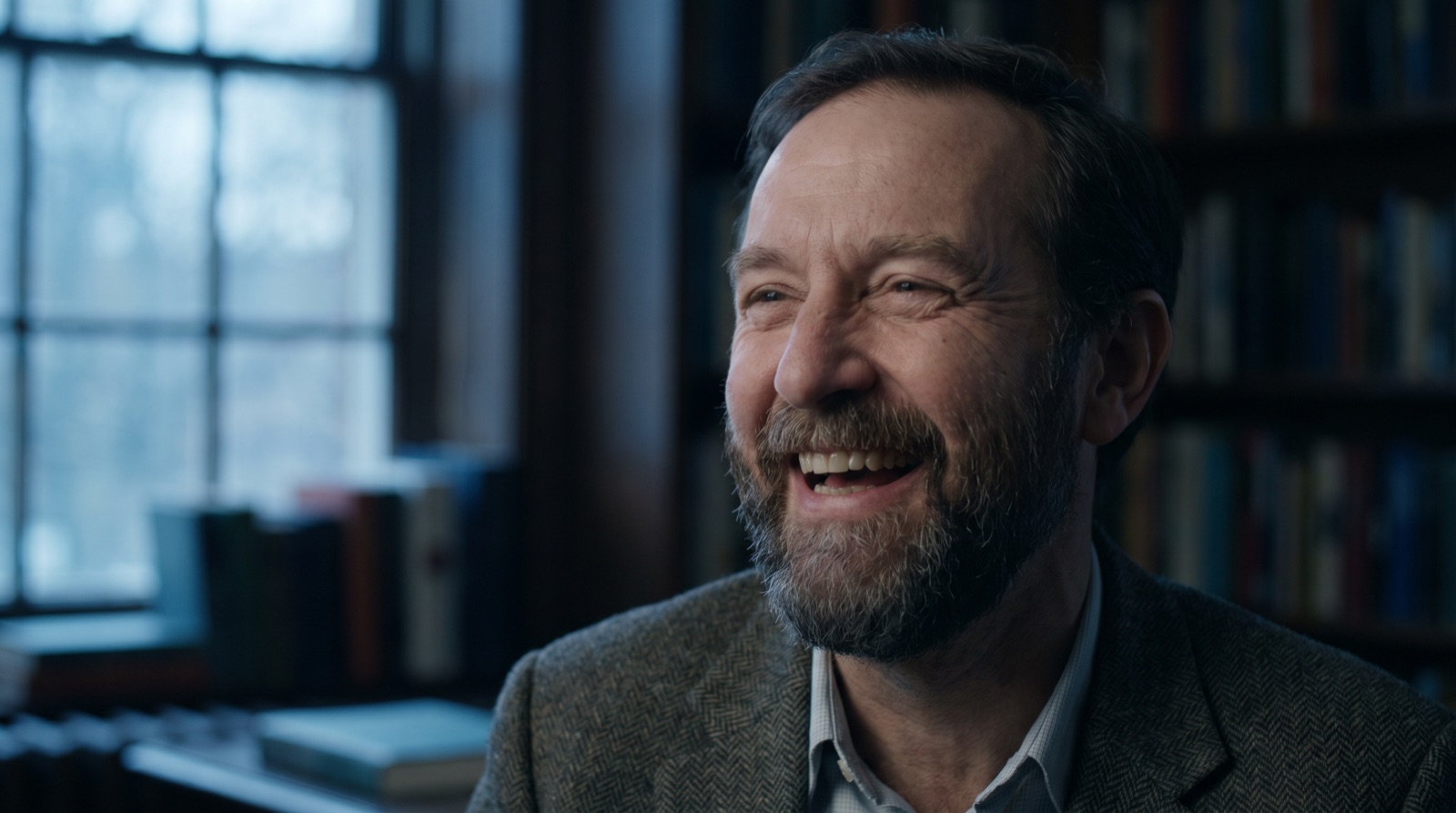
Using the same set, lighting and framing for everyone gives the whole series a consistent look. Every clip feels like part of the same programme, even months later. It also makes editing faster, because every speaker can sit next to every other.
Edit once, deliver many times
After the shoot, the material is cut into long form episodes first. The short clips are pulled from those edits, in every aspect ratio and with captions and transcripts. Names, titles and end screens follow your brand guidelines throughout.
Make it recurring
The real gains come when the series repeats. Recurring shoot days and a fixed post pipeline mean the calendar fills itself and the look never drifts. One shoot day can feed education, brand and advertising content at the same time.
What you need to start
- The content calendar for the next quarter
- The speakers and their availability
- The topics the audience most wants to hear about
- Where each piece will be published
From there, a single well planned day does the work of many.
More from the journal.
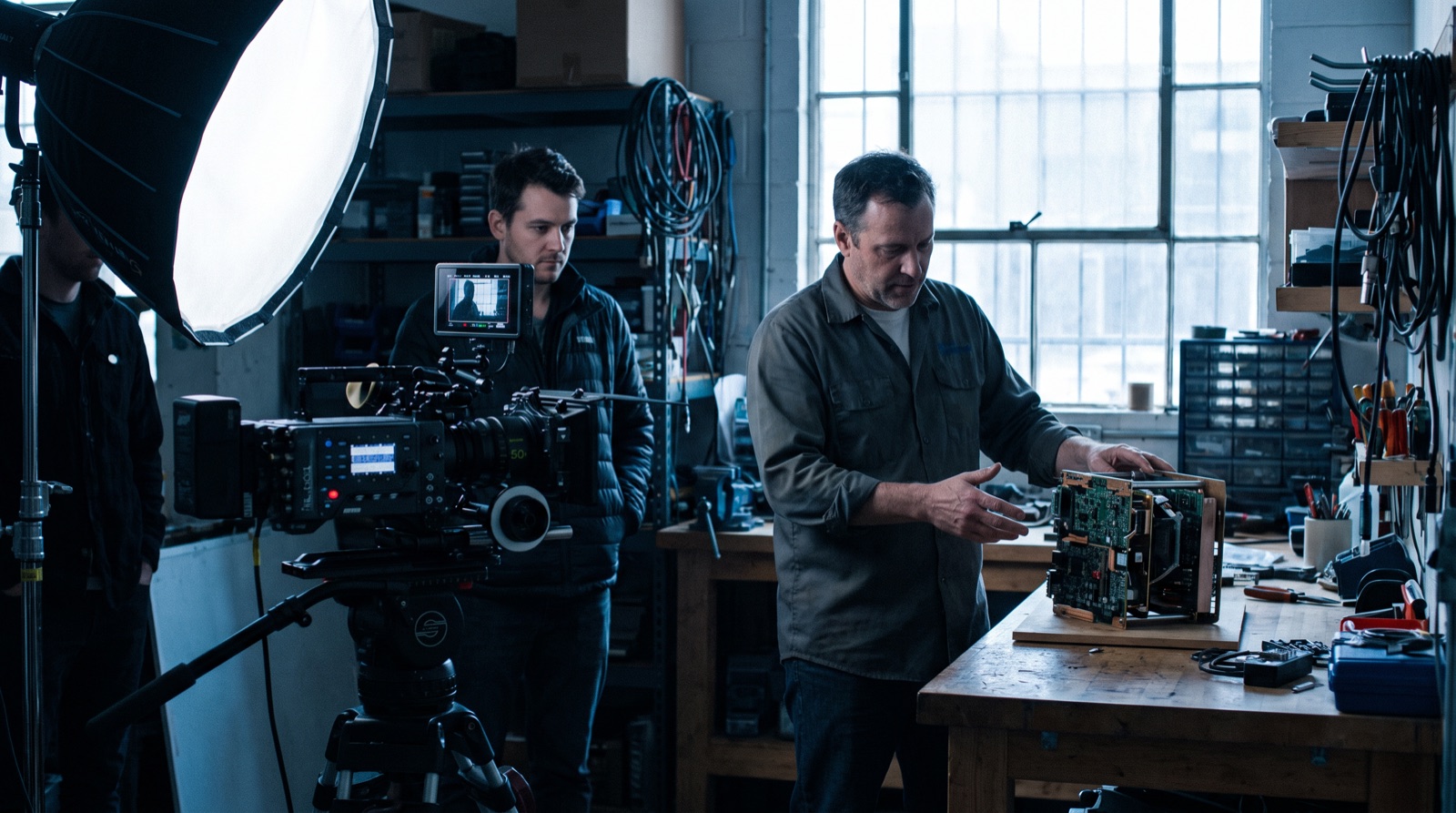
How to explain your technology in two minutes
Investors, partners and boards give you two minutes before they decide whether to keep listening.

Getting your experts on camera without wasting their time
Your physicians, researchers and executives carry your credibility, and they have no time.
How to brief a film about complex work
What to send, who to bring and what to decide before the first call.
Complexity, made clear.
Tell us the audience, the goal and the deadline. A white paper, a deck or a fifteen minute call is usually enough to scope it.
Book a scoping call hello@lumennarrative.com